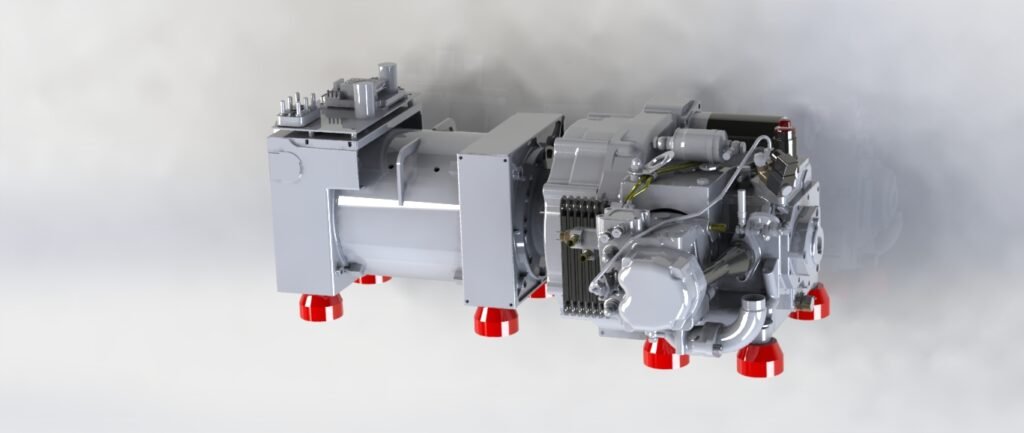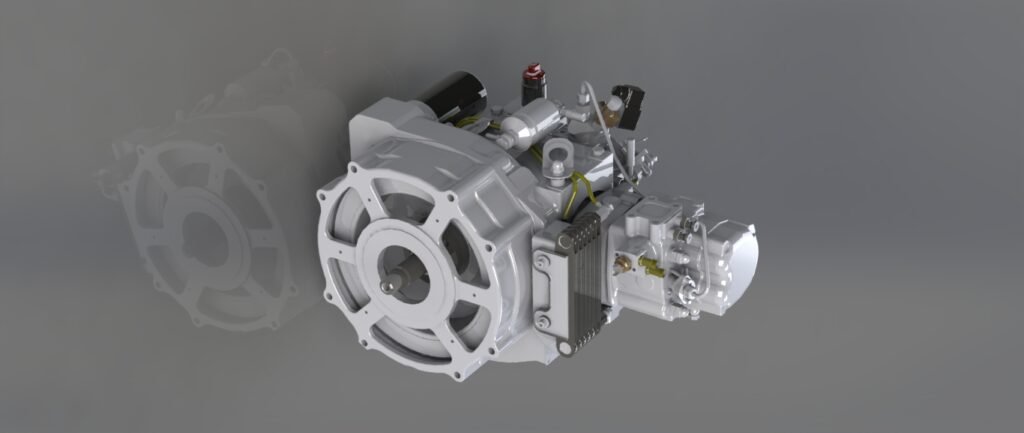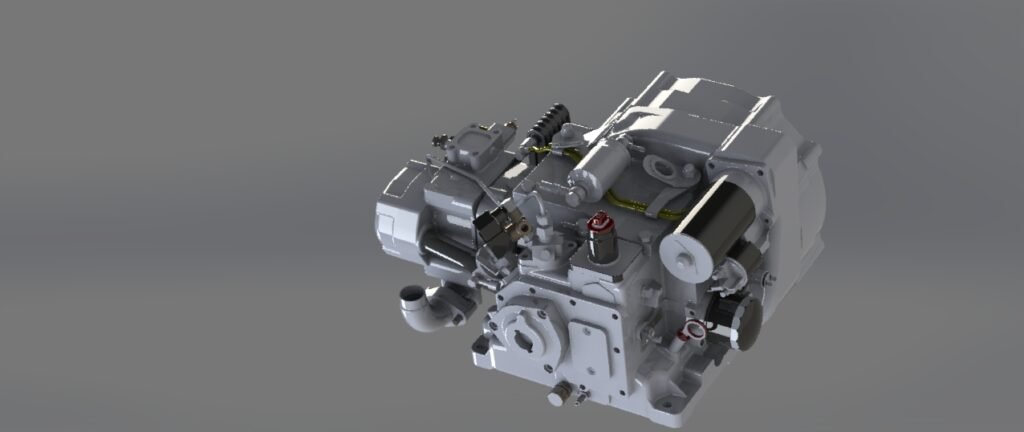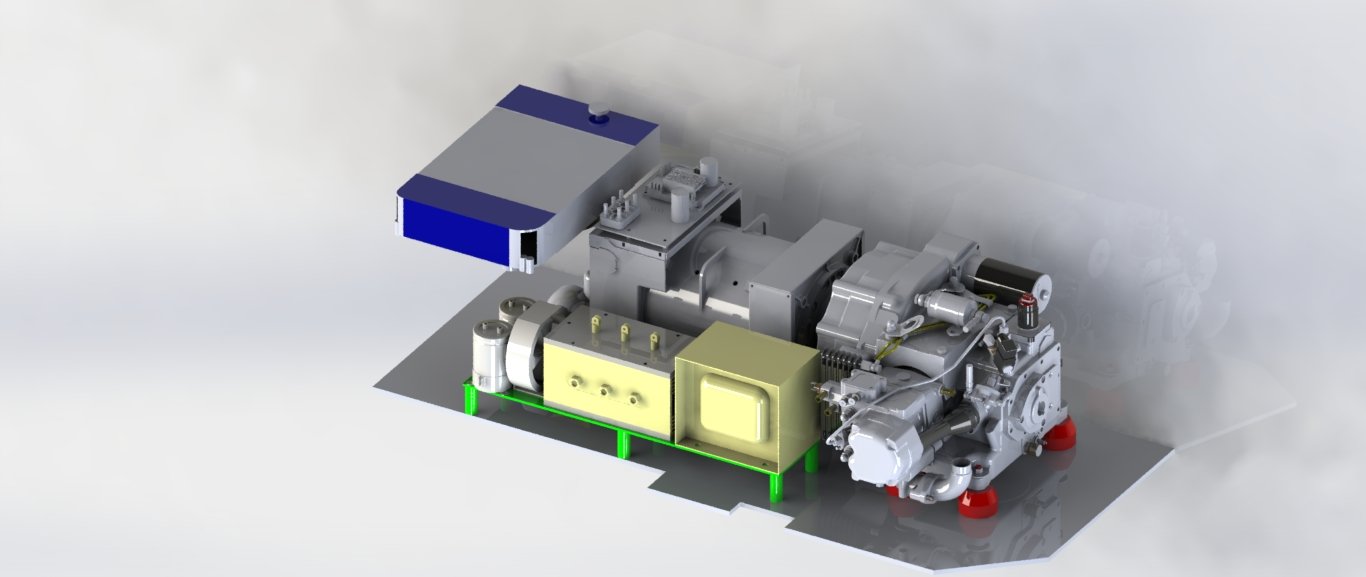
The Auxiliary Power Unit (APU) on the Al-Khalid Main Battle Tank plays a critical role in enabling modern, electronics-heavy armored warfare. As a third-generation MBT, Al-Khalid relies extensively on electrical and electronic subsystems such as digital fire control, thermal imaging sights for both gunner and commander, laser rangefinders, turret stabilization, radios, intercoms, and navigation aids. These systems must remain operational even when the tank is stationary or concealed. Running the 1,200-horsepower main diesel engine solely to supply electrical power would be inefficient, noisy, and tactically risky. The APU addresses this problem by providing an independent and efficient source of electrical energy.
Technically, the APU used on tanks like the Al-Khalid is typically a compact diesel-powered generator designed specifically for armored vehicle environments. Although exact specifications are not publicly disclosed, it is generally understood to deliver sufficient electrical power—often in the range used by modern MBTs—to support all onboard electronics and simultaneously recharge the tank’s batteries. The APU draws fuel from the tank’s main fuel system and supplies power to the standard 24-volt electrical bus, ensuring compatibility with existing vehicle systems. This design allows seamless switching between power sources through the tank’s power management system.